The Bold Simplicity of 60s Dutch Furniture
Dutch furniture from the 1960s carries a spirit that is both daring and understated—a reflection of a country stepping confidently into modernity while holding on to its traditions of craftsmanship. It is furniture that speaks through clean lines, clever engineering, and a touch of playful experimentation.
What makes 60s Dutch design unique is its embrace of functional minimalism infused with warmth. Instead of heavy ornamentation, designers focused on clarity of form: low, sleek sideboards in rich teak, modular shelving systems that seemed to float on walls, and chairs that combined comfort with a sculptural presence. Influenced by both Scandinavian simplicity and the Bauhaus tradition, Dutch designers distilled these movements into something distinctly their own—unpretentious, practical, yet quietly stylish.
The joy of 60s Dutch furniture lies in its versatility. Pieces were often designed to adapt—tables that extended, storage units that reconfigured, seating that was light enough to move easily. This flexibility made them perfect for modern living, especially in compact Dutch homes where efficiency was prized without sacrificing beauty.
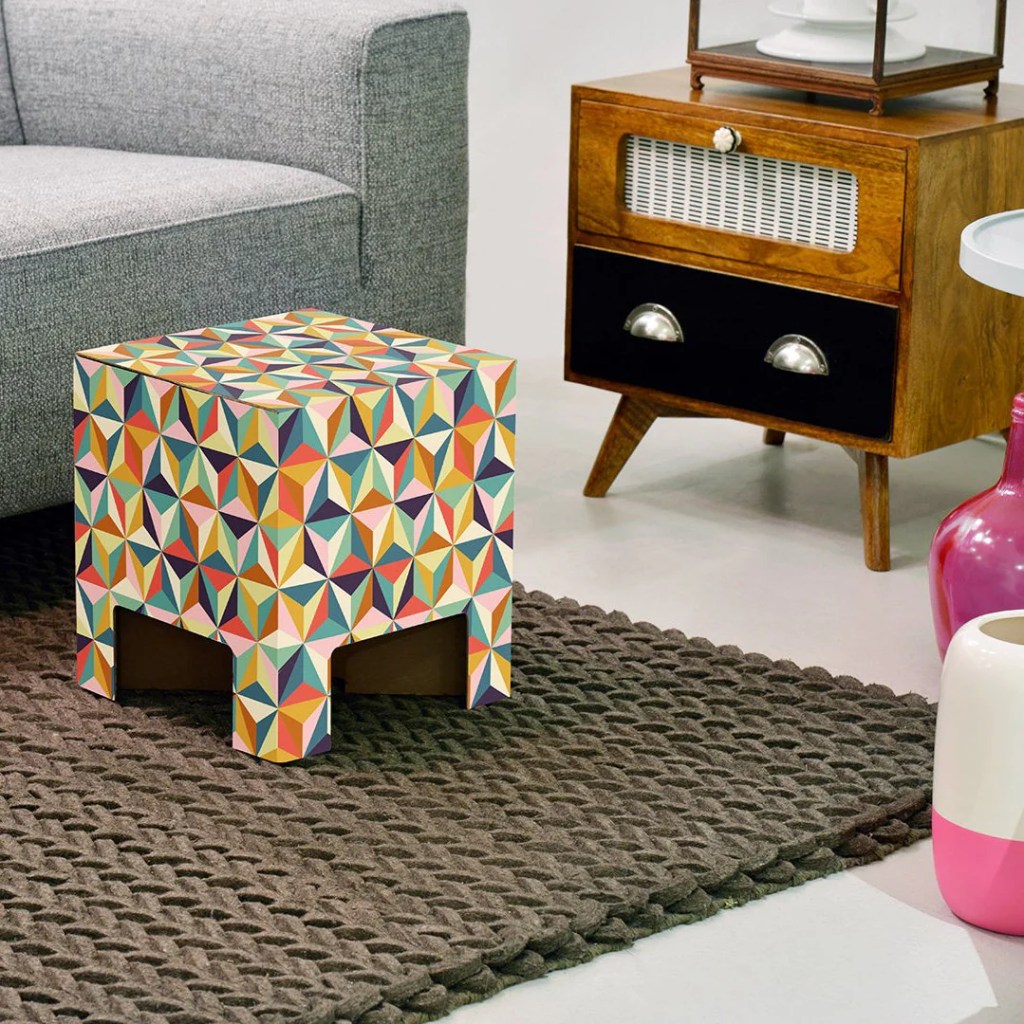
What sets this era apart is the balance of warmth and innovation. Natural woods, earthy fabrics, and bold pops of color gave life to the geometric clarity of the designs. The result was furniture that felt approachable, never austere—an invitation to live comfortably within modernism.
People are drawn to 60s Dutch furniture today because it carries the optimism of its time. It reminds us of an age that believed design could improve daily life—that beauty could be found in simplicity, and that the home itself could be both functional and inspiring.
 Happy Furniture